Designs
Design Week Lagos: Where Ideas Become Industry
The first thing that becomes clear at Design Week Lagos is that it is no longer simply an exhibition. It is a conversation about what Africa can make, what Africa can build and, perhaps most importantly, what Africa can become.
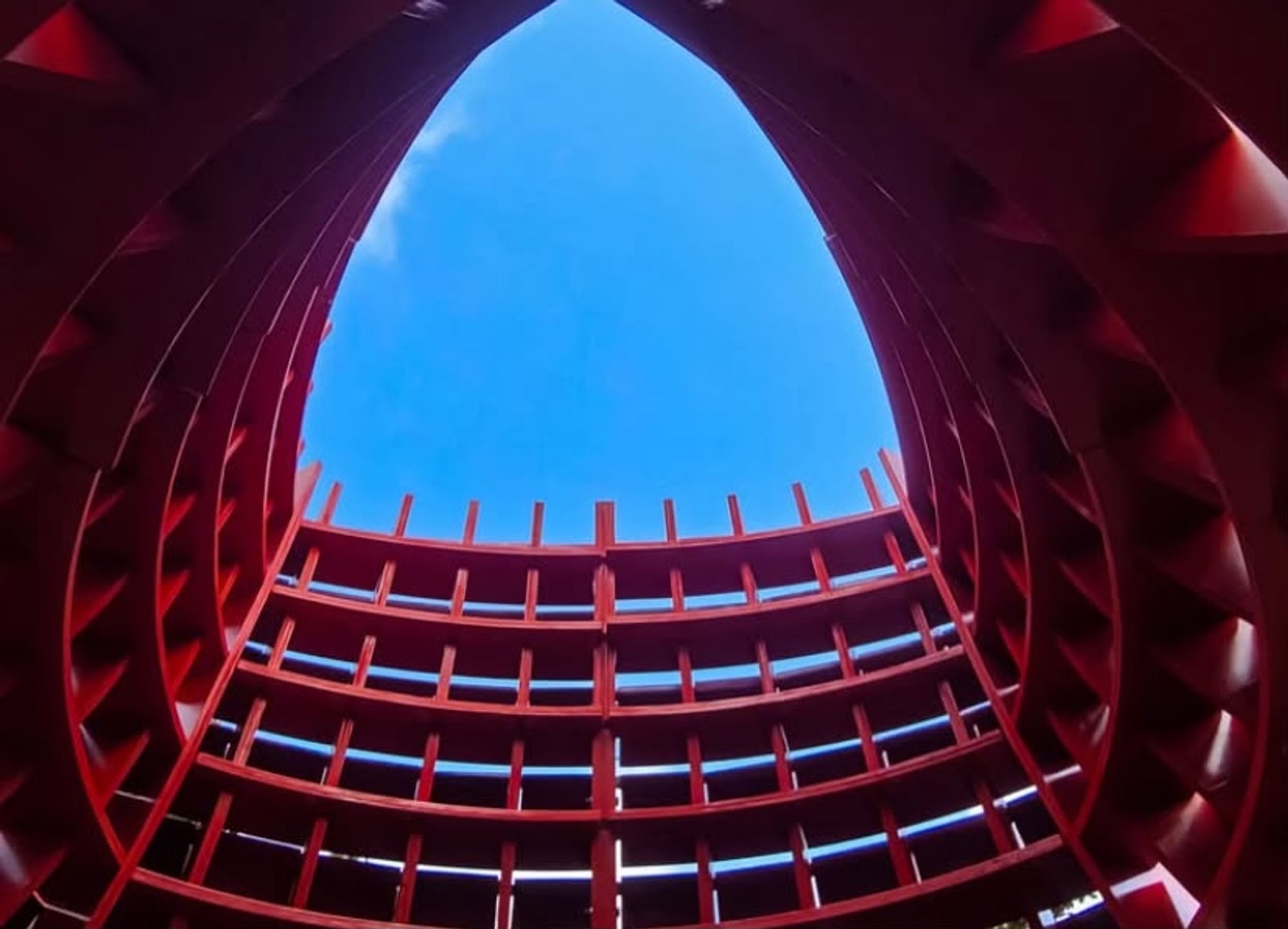
At the National Theatre in Lagos, designers, manufacturers, architects, students and industry leaders gathered under this year's theme,"Making a New Africa: From Material to Market," a call to move beyond creativity as expression and towards creativity as industry. The theme echoed throughout the press conference, where founder Titi Ogufere spoke passionately about bridging the gap between ideas and production, challenging designers and manufacturers to work together in creating products that can compete on a global stage.
What followed was more than a briefing. It became an invitation into the thinking behind the festival itself.
Led by Ogufere, members of the press were taken through the exhibition spaces, installations and featured works that transformed the National Theatre into a showcase of African innovation. Moving through the halls, it became evident that Design Week Lagos is increasingly concerned with what happens after an idea is conceived. The focus is no longer solely on aesthetics but on systems, manufacturing, sustainability and commercial viability.
Furniture pieces explored new possibilities for African materials. Lighting installations demonstrated how local craftsmanship could meet contemporary design needs. Experimental prototypes sat comfortably beside fully realised products, illustrating the journey from concept to production. Throughout the exhibition, there was a consistent emphasis on designing solutions rather than simply objects.
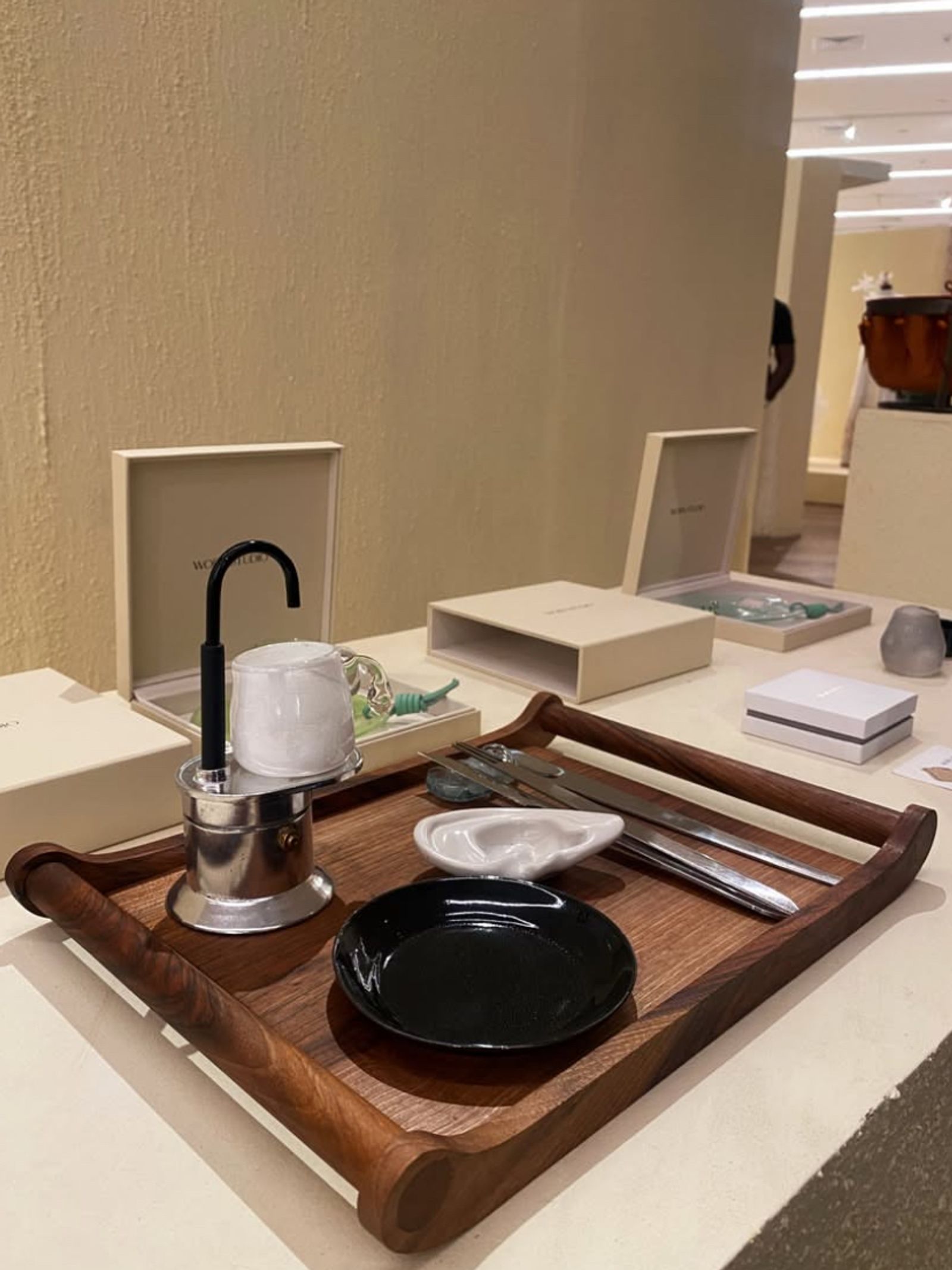
One of the exhibition's most compelling qualities was its ability to position African design within a global conversation while remaining deeply connected to local realities. Rather than imitating international trends, many of the works embraced indigenous materials, cultural references and local manufacturing processes as strengths rather than limitations.
During the tour, Ogufere repeatedly returned to a central idea: Africa possesses the raw materials, creative talent and cultural knowledge necessary to build globally relevant industries. The challenge lies in creating the structures capable of transforming those resources into sustainable economic value.
Among the projects highlighted was work exploring transportation, urban mobility and public infrastructure, demonstrating how design can operate far beyond interiors and products. Elsewhere, prototypes developed through collaborations between designers, students and industrial partners pointed towards new possibilities for local manufacturing and technological innovation.
"The next chapter of African design cannot be about visibility alone. The opportunity now is to transform ideas into products, production and industries."
That statement perhaps captured the spirit of the exhibition more than any individual object on display.
For years, conversations around African creativity have centred on recognition and representation. Design Week Lagos suggests a different future. One where creativity becomes infrastructure. One where innovation creates employment. One where designers are not merely participating in global markets but helping define them.
By the end of the tour, the exhibition had achieved something successful design rarely announces loudly. It encouraged visitors to reconsider familiar materials, everyday systems and overlooked possibilities. It suggested that design is not simply about how things look, but about how societies function.
As Lagos continues to establish itself as one of Africa's leading creative capitals, Design Week Lagos has evolved into more than an annual festival. It has become a platform for imagining what a design-driven future for the continent might look like, and for exploring how that future can move from concept to reality.
JOIN THE CULTURE LIST
Stay Close To The Culture.
Stories, editorials, playlists, Culture 50 updates and the conversations shaping culture across Africa, the UK and the diaspora.