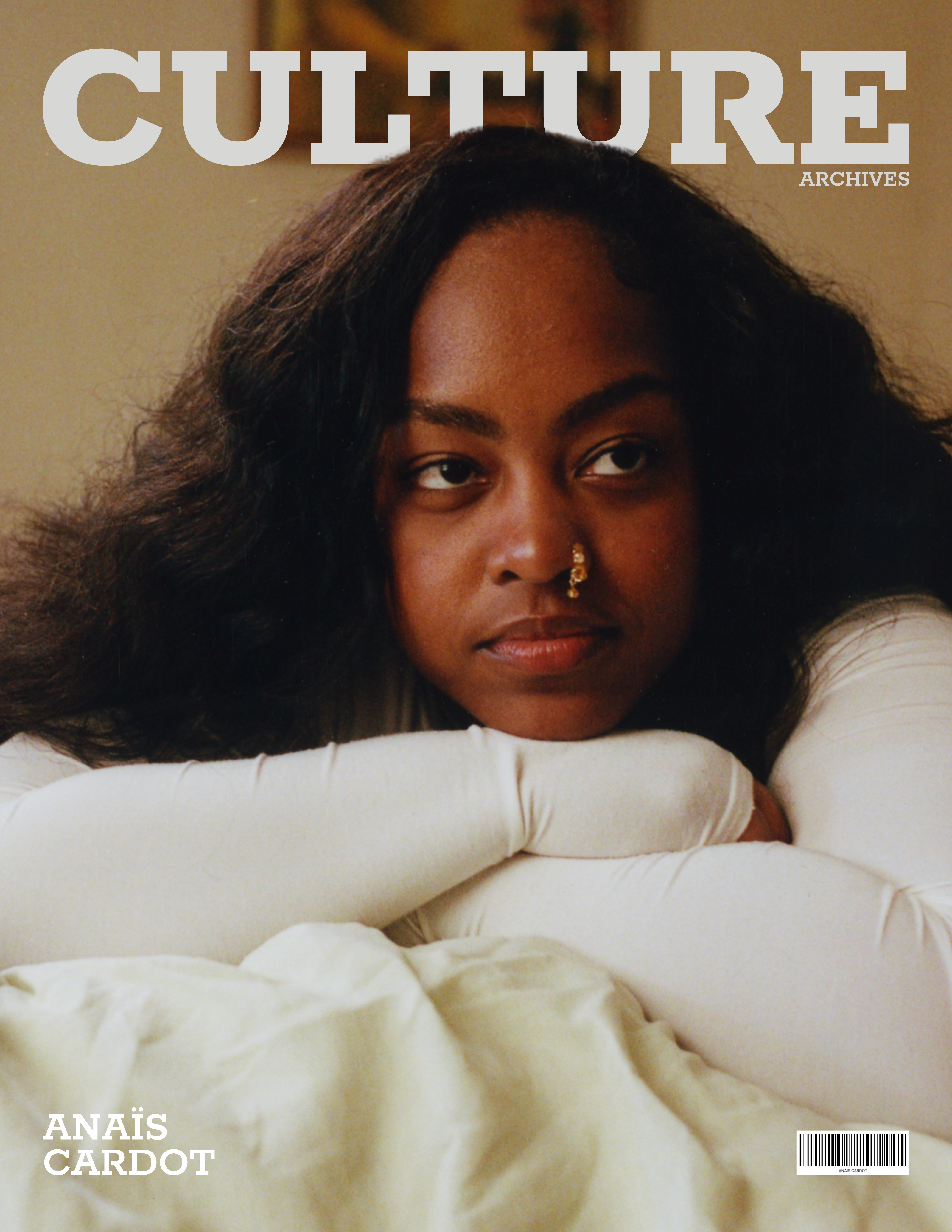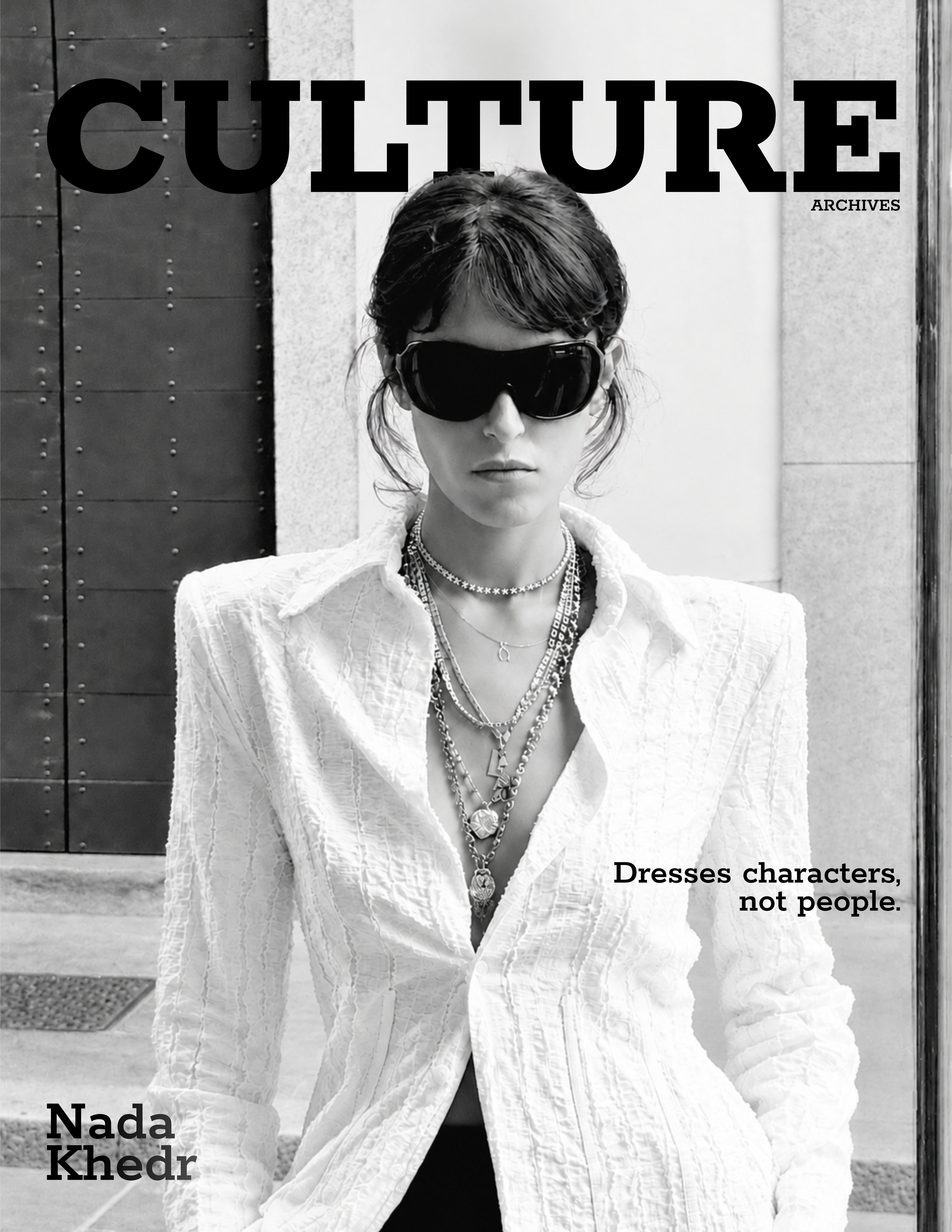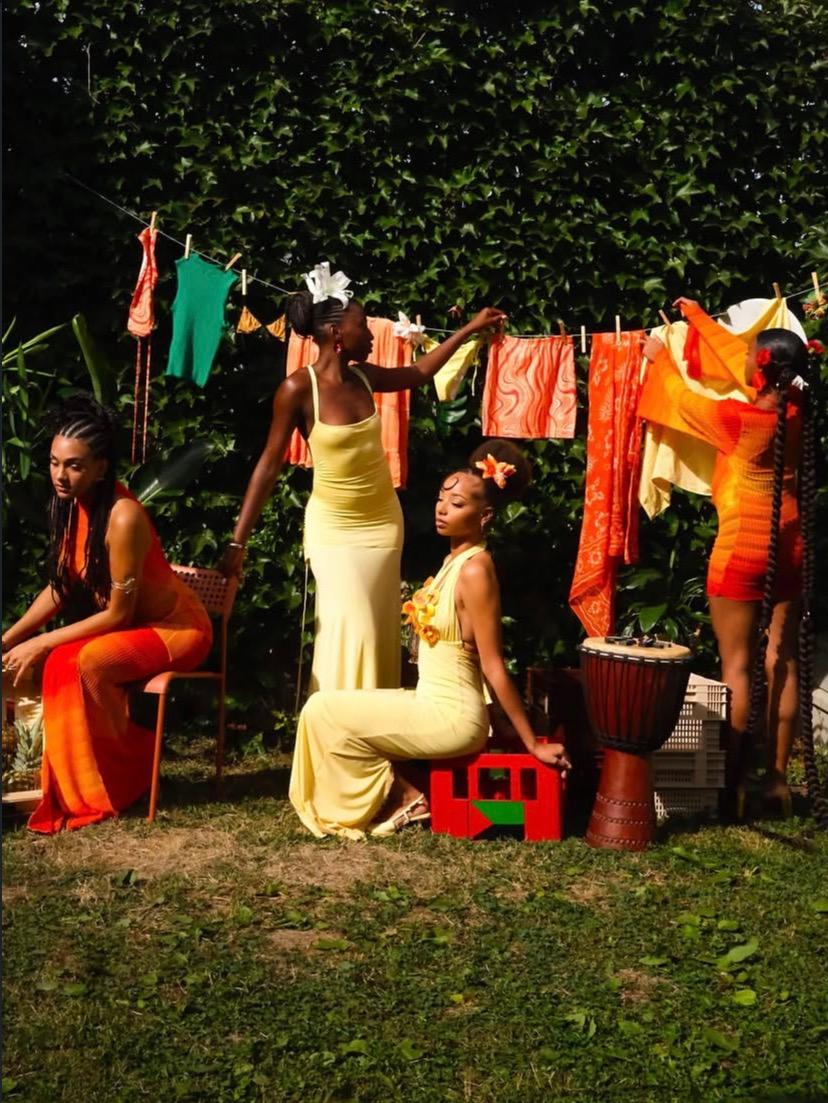
Lagos Fashion Week has evolved beyond a runway event. It has become a reflection of where African fashion is headed, bringing together designers, artisans, photographers, buyers and cultural tastemakers in a conversation about heritage, sustainability and contemporary expression.
This year's edition placed a renewed emphasis on craftsmanship and creative identity. Collections explored the relationship between tradition and innovation, with designers drawing from indigenous techniques while introducing new ideas for modern audiences. Across the week, the runway became a showcase of not only fashion, but also storytelling, cultural preservation and artistic experimentation.
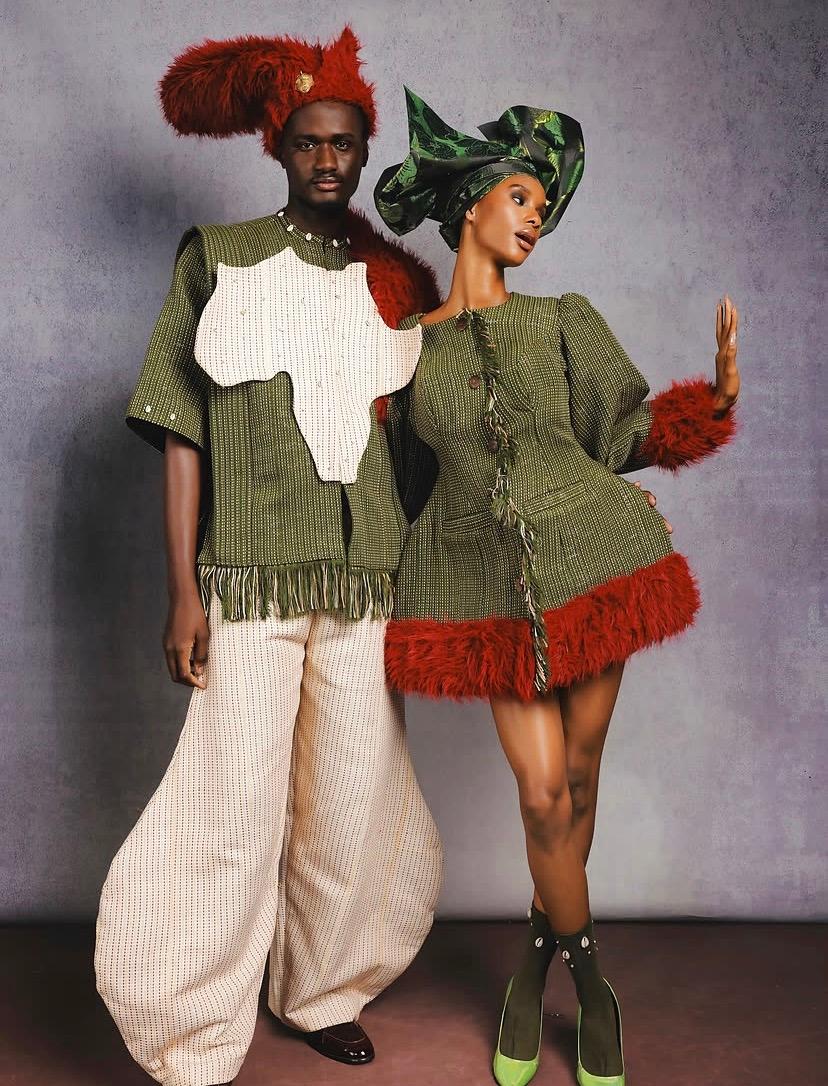
Among the most talked-about presentations were those from Hertunba, Ugo Monye and Street Souk, each offering a distinct interpretation of African creativity. Hertunba's collection demonstrated the power of craftsmanship through structured silhouettes, geometric patterns and intricate detailing, reflecting the growing importance of sustainability and local production within contemporary African fashion.
Ugo Monye once again commanded attention with a presentation rooted in heritage while embracing modern form. The collection blended traditional influences with architectural tailoring and dramatic silhouettes, reinforcing the designer's reputation as one of the continent's most influential creative voices. The runway presentation became one of the defining moments of the week, drawing conversations around identity, culture and contemporary African luxury.
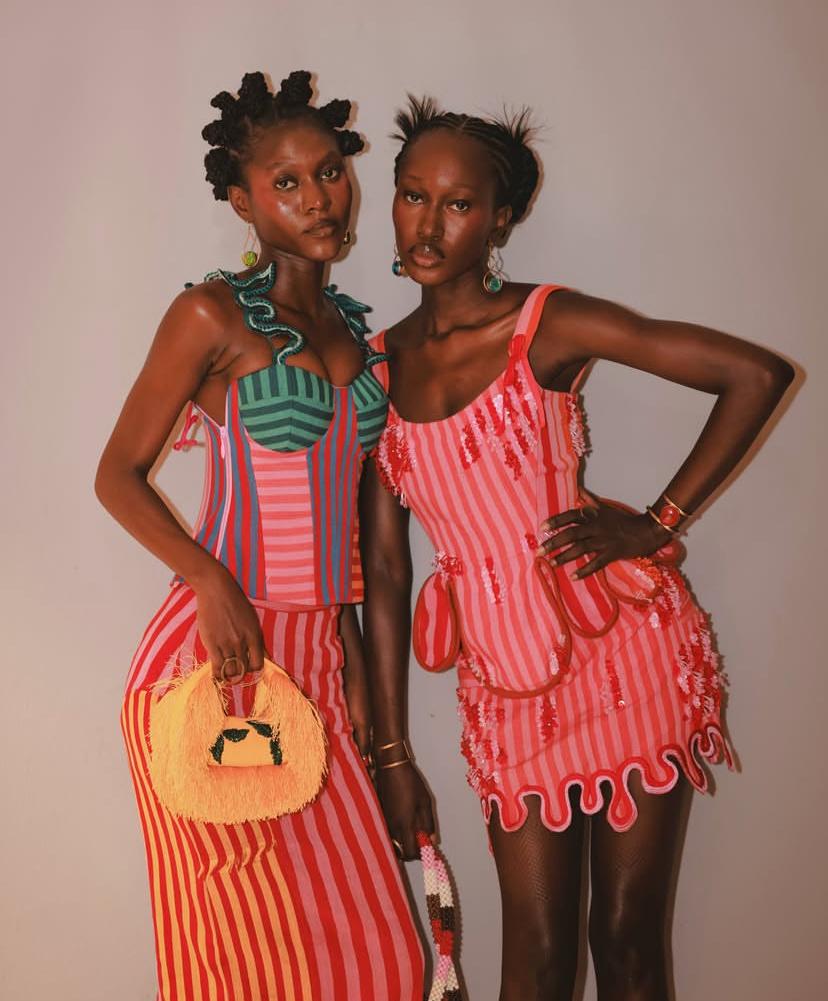
Street Souk continued to represent the energy of a new generation of creatives, connecting fashion to youth culture, streetwear, music and community. Its influence could be felt beyond individual collections, highlighting the growing role of culture-led platforms in shaping the future of African fashion.
The week also spotlighted an emerging generation of designers and brands pushing the boundaries of contemporary design. Conversations around circular fashion, local manufacturing and creative entrepreneurship reinforced Lagos Fashion Week's position as a platform where fashion intersects with culture, innovation and economic transformation. Designers, industry leaders and cultural commentators repeatedly returned to one theme: the future of African fashion will be built on the preservation of craft and the elevation of local talent.
“The most compelling fashion stories are often those rooted in culture, craftsmanship and community.”
Beyond the runway, Lagos Fashion Week served as a meeting point for ideas. Photographers documented evolving aesthetics, designers explored new forms of storytelling and attendees experienced firsthand the creative confidence that continues to define Lagos. More than a fashion event, it offered a glimpse into an industry increasingly shaping global conversations while remaining firmly connected to its cultural foundations.
As the lights dimmed on another successful season, one thing became clear. African fashion is no longer asking for a place in the global conversation. Through the work of designers such as Hertunba, Ugo Monye and the cultural ecosystem represented by Street Souk, it is actively helping to shape it.